https://doi.org/10.22267/rtend.26272.302
Agricultural Economics, Exchange Rate Policy and Food Security
The Impact of the foreign exchange market on agricultural production in Colombia during the 2021–2024 period: the cases of corn and rice
Incidencia del mercado cambiario en la producción agrícola en Colombia durante el periodo 2021-2024: casos maíz y arroz
Impacto do mercado cambial na produção agrícola na Colômbia durante o período de 2021 a 2024: os casos do milho e do arroz
By: Gustavo Adolfo Díaz Valencia 1; Alvaro Villa Martínez2
1PhD in Economic Sciences, Universidad Nacional de Colombia. Full-time Professor, Universidad Piloto de Colombia. ORCID: 0000-0002-9606-8223. E-mail: gustavo-diaz2@unipiloto.edu.co, Bogotá - Colombia.
2 Master in Digital Markets, Universidad EAN. Full-time Professor, Universidad Piloto de Colombia, ORCID: 0000-0003-0102-4824. E-mail: alvaro-villa@upc.edu.co, Bogotá - Colombia.
Received: December 15, 2025 Accepted: June 2, 2026
DOI: https://doi.org/10.22267/rtend.26272.302
How to cite this article: Díaz, G. & Villa, A. (2026). The Impact of the foreign exchange market on agricultural production in Colombia during the 2021–2024 period: the cases of corn and rice. Tendencias, 27(2), 201-232. https://doi.org/10.22267/rtend.26272.302

Abstract
Introduction: The Colombian agricultural sector exhibits high vulnerability to episodes of exchange rate volatility, making it necessary to analyze its impact on strategic crops such as corn and rice. Objective: To assess the incidence of the nominal and real foreign exchange market on agricultural production in Colombia during 2021–2024. Methodology: A mixed approach was applied, combining quantitative analysis through two robust linear regression models (annual data 2000–2024, with 2021–2024 as a conjunctural window) and qualitative assessment of structural factors of the sector. Results: The depreciation of the peso indirectly benefited rice production by making imports more expensive, while corn showed greater sensitivity due to its dependence on imported inputs and competition with foreign corn. Discussion: The exchange rate impact is heterogeneous, conditioned by the productive structure of each crop and consistent with the theoretical frameworks of Purchasing Power Parity and Interest Rate Parity, affecting costs, competitiveness, and profitability. Conclusions: The incidence of the foreign exchange market depends on the productive structure and the degree of external exposure of each crop. Differentiated policies and long-term strategies are required to ensure sustainability and competitiveness of the Colombian agricultural sector.
Keywords: competitiveness; agricultural market; production; exchange rate; real exchange rate; interest rate.
JEL: Q10; Q11; Q13; Q17; R11
Resumen
Introducción: El sector agrícola colombiano presenta alta vulnerabilidad frente a episodios de volatilidad cambiaria, lo que hace necesario analizar su impacto sobre cultivos estratégicos como maíz y arroz. Objetivo: Evaluar la incidencia del mercado cambiario nominal y real sobre la producción agrícola en Colombia durante 2021-2024. Metodología: Se aplicó un enfoque mixto, combinando análisis cuantitativo mediante dos modelos de regresión lineal robusta (datos anuales 2000-2024, con 2021-2024 como ventana coyuntural) y evaluación cualitativa de factores estructurales del sector. Resultados: La depreciación del peso benefició indirectamente la producción de arroz al encarecer las importaciones, mientras que el maíz mostró mayor sensibilidad debido a su dependencia de insumos importados y competencia con maíz extranjero. Discusión: El impacto cambiario es heterogéneo, condicionado por la estructura productiva de cada cultivo y consistente con los marcos teóricos de Paridad de Poder Adquisitivo y Paridad de Tasas de Interés, afectando costos, competitividad y rentabilidad. Conclusiones: La incidencia del mercado cambiario depende de la estructura productiva y del grado de exposición externa de cada cultivo. Se requieren políticas diferenciadas y estrategias de largo plazo para garantizar sostenibilidad y competitividad del sector agrícola colombiano.
Palabras clave: competitividad; mercado agrícola; producción; tasa de cambio; tasa de cambio real; tasa de interés.
JEL: Q10; Q11; Q13; Q17; R11.
Resumo
Introdução: O setor agrícola colombiano apresenta alta vulnerabilidade diante de episódios de volatilidade cambial, o que torna necessário analisar seu impacto sobre culturas estratégicas, como o milho e o arroz. Objetivo: Avaliar a influência do mercado cambial nominal e real sobre a produção agrícola na Colômbia durante o período de 2021 a 2024. Metodologia: Foi aplicada uma abordagem mista, combinando análise quantitativa por meio de dois modelos de regressão linear robusta (dados anuais de 2000 a 2024, com o período de 2021 a 2024 como janela conjuntural) e avaliação qualitativa dos fatores estruturais do setor. Resultados: A desvalorização do peso beneficiou indiretamente a produção de arroz, ao encarecer as importações, enquanto o milho apresentou maior sensibilidade devido à sua dependência de insumos importados e à concorrência com o milho estrangeiro. Discussão: O impacto cambial é heterogêneo, condicionado pela estrutura produtiva de cada cultura e consistente com os marcos teóricos da Paridade do Poder de Compra e da Paridade das Taxas de Juros, afetando custos, competitividade e rentabilidade. Conclusões: A incidência do mercado cambial depende da estrutura produtiva e do grau de exposição externa de cada cultura. São necessárias políticas diferenciadas e estratégias de longo prazo para garantir a sustentabilidade e a competitividade do setor agrícola colombiano.
Palavras-chave: competitividade; mercado agrícola; produção; taxa de câmbio; taxa de câmbio real; taxa de juros.
JEL: Q10; Q11; Q13; Q17; R11.
Introduction
The Colombian agricultural sector represents a fundamental component of the national economy, contributing significantly to Gross Domestic Product (GDP) and rural employment. During the 2021–2024 period, this sector faced extraordinary challenges arising from exchange rate volatility, the residual effects of the COVID-19 pandemic, and structural transformations in international agricultural commodity markets that is, standardized primary goods subject to the law of supply and demand.
The importance of this study is grounded in the need to understand the mechanisms of exchange rate transmission to the agricultural sector, especially considering that Colombia experienced episodes of significant currency volatility between 2021 and 2025. The Colombian peso registered substantial fluctuations against the US dollar, ranging between levels of 3,500 and 4,800 Colombian pesos per US dollar, generating heterogeneous impacts depending on the agricultural subsector analyzed.
The link between the exchange rate and agricultural production presents particular characteristics in emerging economies such as Colombia, where the primary sector maintains a high dependence both on external markets for product commercialization and on imports for critical inputs.
As the objective of this research, the incidence of the nominal and real foreign exchange market on the behavior of Colombian agricultural production during the 2021–2024 period is analyzed, particularly in the production of yellow corn and rice, identifying transmission mechanisms, differentiated effects by subsector, and implications for sectoral competitiveness. To achieve these objectives, national production was defined as the dependent variable, and the interest rate, the Representative Market Exchange Rate (RMR), and the Real Exchange Rate (RER) were defined as explanatory variables.
The specific objectives proposed were: to characterize the volatility of the foreign exchange market during the 2021–2024 period; to assess the behavior of yellow corn and mechanized rice production in Colombia; to identify the main channels of exchange rate transmission to these crops; and to compare the differentiated effects of the exchange rate on agricultural products with different levels of external exposure.
To facilitate the analysis, two agricultural products representative of the Colombian primary sector were taken as reference: rice and corn. These crops have a relevant share of agricultural GDP and are considered staple goods in household consumption in Colombia. To empirically test the objective, two econometric models were estimated using robust linear regression, taking a time series from 2000 to 2024, which extends the estimation time window and allows for the analysis of medium-term associations.
From a theoretical standpoint, the economic literature establishes that the real exchange rate constitutes a fundamental variable in determining sectoral competitiveness in open economies (Krugman & Obstfeld, 2022). According to Purchasing Power Parity (PPP) theory, exchange rate fluctuations should reflect price level differences between countries; however, in the short and medium term, factors such as monetary policy, capital flows, and external shocks generate significant deviations from parity (Sandoval & Mendoza, 2025). Additionally, this theory is supported by interest rate parity, which holds that market forces cause interest rates and exchange rates to adjust such that covered interest rate arbitrage is no longer viable, producing an equilibrium state known as Interest Rate Parity (IRP) (Madura, 2018); therefore, IRP also affects the competitiveness of agricultural production by influencing the behavior of the real exchange rate.
For the agricultural sector, sensitivity to the exchange rate manifests through various transmission mechanisms. Among these, the export competitiveness channel stands out, grounded in the theoretical approaches of Porter’s competitive advantage and Heckscher-Ohlin’s comparative advantage. From this perspective, the depreciation of the domestic currency improves the price competitiveness of agricultural products in international markets, increasing exporters’ income in local currency (Rivera, 2021). This effect is particularly relevant in Colombia, where products such as coffee, flowers, bananas, and palm oil represent important export categories and contribute significantly to foreign currency generation.
A recent International Monetary Fund (IMF) study shows that exchange rate pass-through to domestic prices depends on the state of the economy, being more intense during episodes of high inflation and financial volatility. Using a methodology based on local projections and a sample of 46 advanced and emerging economies for the period 1990–2021, the authors estimate the effect of the exchange rate on consumer prices, import prices, and inflation expectations, analyzing its heterogeneity across countries and over time.
The results show that the magnitude of pass-through is conditioned by specific structural characteristics of each economy, including geographic region, level of development, and the proportion of imports denominated in US dollars. Likewise, the study incorporates variables related to the macroeconomic state, such as the phase of the economic cycle, the degree of uncertainty, the prevailing level of inflation, and the degree of anchoring of inflation expectations, showing that these factors significantly influence exchange rate transmission (Carrière et al., 2023).
A relevant work for Latin America and Colombia argues that exchange rate transmission depends on the type of macroeconomic shock that originates the exchange rate movement (“shock-dependent pass-through”). Prices are considered exogenous variables, but the transmission of exchange rate movements to the CPI depends on the disturbances that originate the variation in the exchange rate and, therefore, should not influence the determination of monetary policy (Rincón & Rodríguez, 2017).
Finally, as a complement to the theoretical framework, this article incorporates the foreign exchange market efficiency hypothesis, according to which exchange rates promptly reflect all available information and synthesize the main economic fundamentals (García, 2017). However, empirical evidence has documented persistent deviations from this assumption, especially in emerging markets, where lower liquidity, high volatility, and high sensitivity to speculative capital flows can generate overreactions, delayed adjustments, and episodes of exchange rate misalignment (Uribe & Ulloa, 2011).
Methodology
This study adopts a mixed methodological approach, combining quantitative econometric analysis with qualitative assessment of structural factors. The research is exploratory-descriptive in nature, using official secondary data and applying advanced statistical techniques to identify statistical associations and behavioral patterns.
To analyze the effect of exchange rate policy on agricultural production for the specific cases of rice and corn production, two linear econometric models were developed using the robust regression method, a technique used when there are outliers or violations of the classical assumptions of linear regression (normality, homoscedasticity, among others) (Bruin, 2006). Information from the producer associations Fedearroz and the National Federation of Cereal and Legume Growers (Fenalce) was used as reference, as well as from Banco de la República de Colombia and DANE (National Administrative Department of Statistics), with rice survey data for the analysis period of 2000–2024, for a total of 25 observations. It should be clarified that this period was selected based on the availability of information provided by the producer association databases on the Fedearroz and Fenalce websites; the number of observations was also chosen based on the information obtained, given data availability and the relevance of the variables selected to estimate the model, though not all variables had information for periods prior to the one considered.
The data were consolidated on an annual basis, and a real exchange rate index was also constructed for each crop, based on national and international price information in pesos and dollars per ton. The dependent variables were the variation in rice and corn production; the independent variables were the percentage variation in the representative market exchange rate, the percentage variation in the real exchange rate index (based on information from Banco de la República), and the variation in the interest rate for Fixed-Term Deposits (DTF) and the Reference Bank Indicator (IBR) applied to working capital loans granted by Finagro for productive activities.
The general Equation 1 considered was formulated as follows:
General multiple linear regression analysis model (Gujarati & Porter, 2010).

Two hypotheses are proposed:
The null hypothesis 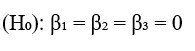
0 (the foreign exchange market does not affect agricultural production)
The alternative hypothesis: at least one βj≠
0 (at least one exchange rate or interest rate variable has a significant effect on agricultural production)
In the context of this research objective to assess how exchange rate variations have influenced the production levels of rice and corn in Colombia the proposed hypotheses allow for determining whether exchange rate and financial market variables have a statistically significant effect on agricultural production or not.
Null hypothesis
This hypothesis posits that the explanatory variables related to the foreign exchange market and interest rates have no significant influence on rice and corn production in Colombia.
In economic terms, this hypothesis posits that variations in the exchange rate, interest rates, and the other variables included in the model do not exert a significant effect on agricultural production levels. Consequently, rice and corn production would be determined primarily by structural and productive factors, such as climatic conditions, technological level, production costs, agricultural policies, and land availability.
From a statistical standpoint, the hypothesis establishes that the coefficients associated with the exchange rate and financial variables are statistically equal to zero. This implies the absence of a significant relationship between these explanatory variables and agricultural production, such that the observed variations in production levels cannot be attributed to the behavior of the foreign exchange or financial market.
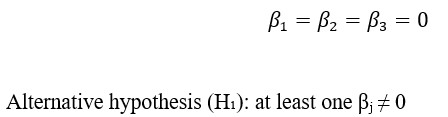
The alternative hypothesis holds that at least one of the foreign exchange or financial market variables does significantly affect rice and corn production in Colombia.
This means that variations in the exchange rate or interest rates can modify agricultural production levels; for example:
- A devaluation of the Colombian peso could increase the costs of imported inputs (fertilizers, machinery, seeds), reducing production.
- Or it could favor the competitiveness of domestic producers relative to imported products, encouraging domestic production.
In statistical terms, the alternative hypothesis indicates that at least one of the model’s coefficients is different from zero:
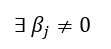
This shows that there is a significant relationship between the behavior of the foreign exchange market and rice and corn production.
General interpretation
Taken together, these hypotheses seek to empirically test whether exchange rate fluctuations and other financial variables have explanatory power over the behavior of agricultural production in Colombia.
(1) If the null hypothesis is not rejected, it will be concluded that the foreign exchange market has no significant incidence on rice and corn production.
(2) If the null hypothesis is rejected and the alternative hypothesis is accepted, it will be concluded that exchange rate variations do influence Colombian agricultural production.
Results
Characterization of rice and corn production in Colombia 2021-2024
The Colombian agricultural sector during 2021–2024 showed resilient behavior, registering positive growth rates in most of the years analyzed. According to official data, Corficolombiana (2024a) determines that, in the first quarter of 2024, the agricultural sector boosted the economy by registering growth of 5.5%, which evidences the importance of the sector as an engine of economic growth (Corficolombiana, 2024b).
Over the past five years, various degree theses and academic articles have been developed in Colombia on the incidence of the exchange rate on the agricultural sector. Notable among these are the results of the study prepared by the National Association of Colombian Entrepreneurs (ANDI) and Induarroz in 2022, titled “The competitiveness of the rice chain in Colombia: a commitment to farmer welfare.” This study analyzes the effect of foreign trade on the rice chain and its competitiveness, noting that, despite being a sector protected through tariff measures, these have not significantly favored its comparative advantages, especially in relation to production costs. As a consequence, losses have been recorded in some rice-growing areas such as the Santanderes and the Caribbean region (Parra & Flórez, 2022).
In 2024, the Center for Studies on Economic Development (CEDE) published the study “The impact of the Colombia Siembra Program on primary rice production: Who benefited most?” focused on the effect of subsidies through preferential interest rates on credit for paddy rice production. The results show a relative improvement in the well-being of producers and millers from an efficiency perspective; however, when the international market presents low prices, incentives for imports are generated and domestic production is discouraged, although this effect was not statistically significant. It should be noted that the research did not incorporate analysis of the exchange rate effect on rice production (Castro et al., 2024).
In the case of yellow corn, Fenalce highlights the high dependence on imports, mainly from the United States, which amount to close to 3.5 million tons to supply the domestic market. This situation is reinforced by the effects of exchange rate behavior, particularly in scenarios of currency appreciation (Jaramillo, 2025).
During this period, agricultural productivity showed heterogeneous trends between the export sector, which experienced productivity improvements due to greater profitability derived from better peso prices, an increase in technological investments, and the adoption of more efficient production practices. Conversely, sectors oriented toward the domestic market faced pressure on profit margins that limited investments in productive improvement.
Analysis by subsector: rice and corn
These two products, essential for supplying the domestic market, have been subject to exchange rate variations, particularly in the case of corn, due to the weight of imports in its domestic supply. According to Fenalce (2026) and Díaz (2025), more than 14 million tons of grain are currently being imported, including corn, soybeans, soybean meal, barley, wheat, and beans. Planting areas in Colombia have been decreasing, as producers have lost competitiveness and profitability due to the lack of disease-resistant and climate-resilient seeds, precision machinery and equipment, adequate drying and storage infrastructure, efficient transportation routes, and irrigation systems.
Analysis of the effects of the foreign exchange market on agricultural production: the cases of rice and corn in Colombia (2000-2024)
Starting in 2021, demand for corn in the country grew at a faster pace than production, according to Fenalce (2024): “This was 8,381,248 tons for 2024. To meet this demand, in 2024 the country imported 6,822,054 tons of corn, that is, 81.4% of the grain it consumes.”
During 2024, there was a positive balance in the rice sector despite the adverse situations this sector initially had to face due to the presence of the El Niño phenomenon, which reduced the rainfall cycle, generating sharp increases in temperature and negatively affecting production yields, especially in the first half of the year across all rice-growing areas of Colombia.
The situation in the international rice market has presented important challenges and opportunities for the country’s producers. India’s decision in 2024 to lift several restrictions on rice exports in response to increased harvests and inventories allowed it to increase its share of the world market with lower prices, improving supply prospects for importing countries; however, this situation requires domestic producers to be more efficient and competitive. To achieve this objective, producers must implement strategies to improve productivity, such as obtaining better technical assistance that develops efficient planning from a technical and technological standpoint, involving aspects such as soil analysis and proper preparation, the use of certified seed, and rigorous monitoring of production costs.
Likewise, greater competitiveness derived from the opening of the international market requires improving product quality, reducing costs, and responding quickly to market demands (Medeiros & Goncalves, 2019). Similarly, better use of agricultural technologies that increase productivity and reduce costs is promoted.
The foregoing justifies analyzing how exchange rate risks affect the profitability and production of these two products and how exchange rate effects can be offset by adopting certain financial instruments that mitigate their volatility.
Characterization of the Colombian foreign exchange market 2021-2024
During the 2021–2024 period, the Colombian peso/US dollar exchange rate experienced episodes of significant volatility, reflecting both internal and external factors. The period began with the peso at levels close to 3,500 COP/USD in early 2021, reaching historical highs above 4,800 COP/USD at certain points in 2022–2023 (Banco de la República, 2023a).
Depreciation phase (2021-2022)
The first phase of the period was characterized by a trend toward depreciation of the Colombian peso, influenced by an increase in global risk aversion due to geopolitical uncertainties, expansive monetary policies in developed economies, volatility in energy commodity prices, and domestic political factors related to electoral processes (Corficolombiana, 2022).
Consolidation phase (2023)
During 2023, the exchange rate showed episodes of relative stabilization, although maintaining elevated levels compared to historical averages. This phase was characterized by exchange rate intervention policies of Banco de la República; improvement in terms of trade due to the recovery of oil prices; and foreign direct investment flows toward non-traditional sectors (Banco de la República, 2023b).
Adjustment phase (2024)
During 2024, the Colombian foreign exchange market presented alternating episodes of appreciation and depreciation, influenced by both external and internal factors. Among these, the tightening of international monetary policy stands out, particularly the decisions of the US Federal Reserve regarding interest rates; climate disruptions affecting the supply of raw materials; domestic economic reforms; and uncertainty arising from the US electoral process. Taken together, these elements raised risk perception in international markets, affecting capital flows toward emerging economies and contributing to exchange rate volatility in Colombia (Corficolombiana, 2024a).
Determinants of exchange rate volatility
The analysis of exchange rate volatility during 2021–2024 reveals several determining factors, among which the management of international monetary policy stands out, particularly through decisions by the US Federal Reserve regarding interest rates, which generated significant capital flows; the volatility of commodity prices such as oil, gold, and coal, directly impacting the exchange rate given Colombia’s exporting profile. Also notable is global risk aversion reflected in episodes of “flight to quality” that affected emerging currencies, including the Colombian peso. This occurs when market risks are pronounced and investors opt for quality assets instead of low-quality assets to manage the crisis (Caballero & Krishnamurthy, 2008).
Among the internal factors influencing exchange rate policy management, the decisions of Banco de la República regarding interest rates and exchange rate interventions stand out, along with fiscal policy management, such as the sustainability of the fiscal rule and the country’s credit rating, and political factors associated with uncertainty related to the change of government and structural reforms.
The agricultural sector’s terms of trade, defined as the relationship between agricultural export prices and agricultural input import prices, experienced significant fluctuations during the analyzed period. The depreciation of the Colombian peso stands out, generating asymmetric effects; while peso prices of exportable agricultural products increased proportionally to the depreciation, the costs of imported inputs also increased, but with different elasticities depending on the type of input and its degree of domestic substitution.
Effect of exchange rate volatility on production in the rice and corn subsectors
The results of the estimation of the two econometric models are summarized in the following tables. For the case of corn cultivation, the data obtained came from Fenalce, and the variables analyzed are listed in Table 1.
Table 1
List of variables for the yellow corn production model
Component |
Dimension |
Varcorn: Annual variation in yellow corn production in Colombia during the period 2000-2024. |
Dependent variable: Data taken from Fenalce statistical information. |
vaRtrm: Variation in the representative market exchange rate. |
Independent variable: Taken from Banco de la República information. If positive, the behavior is depreciation; if negative, appreciation. |
Var ITCR: Variation in the real exchange rate index. |
Independent variable: Based information provided by the Banco de la República data series, considered as the relative price comparing the basket of goods between Colombia and the United States. |
varinterest: Variation in the interest rate for short-term loans granted by Finagro |
Independent variable: The interest rate on loans granted by Finagro, DTF, and IBR. |
Source: Own elaboration based on information from Fenalce (2026) and Banco de la República (2026).
Equation 2: Variation in corn production

The first equation has the following characteristics: the variation in corn production was taken as the dependent variable, and the variation in the representative market exchange rate (VaRtrm), the variation in the real exchange rate index, and the variation in interest rates were considered as independent variables. The results of the first regression show the effects of variations in the nominal exchange rate (VaRtrm), the variation in the real exchange rate index, and the variation in the interest rate.
All three variables were statistically significant at the 5% level, according to the p-values reported in Table 2. When analyzing the effect of the variation in the nominal exchange rate or representative market exchange rate, a statistically significant positive effect is observed. During the analysis period, there was a trend toward depreciation, that is, positive; this result indicates that, from the perspective of production and import costs, a positive variation generates higher input and import costs, affecting the variation in domestic production, which indicates that for each unit increase in the percentage variation of the representative market exchange rate, production costs increase by 0.72 (Merchan & Restrepo, 2023).
It should be clarified that a higher TRM can make exported products more competitive, but Colombia is a net importer of yellow corn in significant quantities, so a high TRM makes imports more expensive and generates relative protection for domestic production, although it also increases the cost of imported inputs. Percentage variations in the TRM are passed through to production costs and trade incentives. A high TRM (depreciation) tends to make agricultural inputs more expensive, reducing net domestic production if not offset by higher export revenues (which is not relevant for corn, as Colombia is an importer).
According to the results of the econometric model presented in Table 2, and given the significance levels of the independent variables considered, it is inferred that the null hypothesis is rejected in favor of evidence compatible with the alternative hypothesis, which establishes that the variation in corn production is significantly explained by variations in the representative market exchange rate and the variation in the real exchange rate index.
Table 2
Results of the linear regression model for the variation in yellow corn production
Robust regression |
Number |
of |
obs = |
24 |
||
F( 3, |
20) = |
5.27 |
||||
|
|
|
Prob > |
F |
= |
0.0077 |
varcorn |
Coeff. |
Std. Err. |
t |
P>t |
[95% Conf. |
Interval] |
VaRtrm |
.7209368 |
.2721249 |
2.65 |
0.015 |
.1532942 |
1.288.579 |
VarITCR |
-1.133.262 |
.430691 |
-2.63 |
0.016 |
2.031.667 |
-.2348559 |
Varinterest |
.2645319 |
.0782856 |
3.38 |
0.003 |
.1012309 |
.4278328 |
_cons |
.0355098 |
.0275528 |
1.29 |
0.212 |
.0219644 |
.0929839 |
Source: Own elaboration based on data from Fenalce (2026) and Banco de la República (2026).
In conclusion, a stronger peso (low TRM) makes imports cheaper and competes with domestic production, which potentially reduces incentives to plant more corn.
In the case of the variation in the real exchange rate index, an inverse effect is observed on the variation in yellow corn production; this means that for each unit increase in the variation of the ITCR, the variation in production decreases by 1.13 units. That is, for non-exportable products or products with low export participation, such as yellow corn (where Colombia imports a large portion of its demand), the ITCR has a more direct effect on input costs and competition with imports than on a direct benefit from exports. Therefore, the variation in the RER affects the incentives to produce domestic corn versus imports, especially if imported corn is cheaper in terms of effective cost adjusted by the RER. It should be noted that this variable is statistically significant in explaining the behavior of yellow corn production in Colombia.
Finally, the variation in the interest rate for agricultural loans was highly explanatory, with a coefficient of 0.26; that is, for each unit increase in the variation of the interest rate, the variation in yellow corn production increases by 0.26. The interest rate influences access to credit and the financial costs of production. A decreasing percentage variation in interest rates tends to favor agricultural investment and production, if it translates into greater access to credit.
Regarding the average variation in yellow corn production in Colombia during the analysis period considered, this presented an average of 2.6%, while the representative market exchange rate had an average variation of 3.9%. For its part, the variation in the real exchange rate index tended to be the most stable, at 0.8%, while the highest was the variation in the interest rate, whose average rate was 7.2%.
For the case of mechanized rice cultivation production in Colombia, the behavior of the independent variables remained similar to that of corn production, with respect to the results found in the variation of the representative market exchange rate and the variation of the Real Exchange Rate Index.
However, in this model the variation in the interest rate was not statistically significant, while the variation in the real exchange rate for rice production had a relative incidence. The descriptive statistics of these variables are presented in Table 3.
Table 3
Summary of explanatory variables for the corn production model
Variable |
vaRtrm |
VarITCR varinterest |
|||
Obs |
Mean Std. Dev. |
Min |
Max |
||
varcorn |
25 |
0.0266187 |
0.1613936 |
-0.2973346 |
0.4225333 |
vaRtrm |
25 |
0.0399252 |
0.113332 |
-0.1198559 |
0.3701338 |
VarITCR |
25 |
0.0080665 |
0.073273 |
-0.182118 |
0.1438375 |
varinterest |
25 |
0.0721324 |
0.692206 |
-0.8946853 |
2.93 |
Source: Own elaboration based on data from Fenalce (2026) and Banco de la República (2026).
It should be noted that this rate was calculated as the product of the international price of paddy rice multiplied by the average annual nominal exchange rate for the period considered, divided by the price per ton of green paddy rice in Colombia during the period under consideration. The results found, according to the linear regression model, are presented in Table 4.
Table 4
Results of the linear regression model for paddy rice production
Robust |
||||||
vaRProducc~n |
Coef. |
Std. Err. |
t |
P>t |
[95% Conf. |
Interval] |
varTCRARROZ |
.1011729 |
.0589183 |
1.72 |
0.101 |
.0213544 |
.2237003 |
VarITCR |
-.6902203 |
.2530823 |
-2.73 |
0.013 |
1.216.534 |
-.1639068 |
vaRtrm |
.5262293 |
.2103118 |
2.50 |
0.021 |
.0888619 |
.9635966 |
_cons |
-.0000505 |
.0228842 |
-0,06 |
0.998 |
.0476408 |
.0475398 |
rho -.0710723 |
||||||
Durbin-Watson |
statistic (original) |
2.071.108 |
||||
Durbin-Watson |
statistic (transformed) |
2.016.160 |
Source: Own elaboration based on data from Fenalce (2026) and Banco de la República (2026).
Regarding the description of the explanatory variables and the variable to be explained, these are listed in Table 5.
Table 5
Identification of variables for the paddy rice production model
Variable |
Description |
Dependent Variable |
Data were obtained from semi-annual records of mechanized rice production in Colombia and consolidated as annual data for a 2000-2024 time series (Fedearroz, 2025). |
Independent variable |
Data series taken from Banco de la República showing the behavior of the real exchange rate index. |
Independent variable |
Series constructed from the relative price relationship between the international rice price and the domestic price, given the nominal exchange rate (DANE, 2026). |
Independent variable |
Series built from the average annual exchange rate based on information provided by Banco de la República (2026). |
Source: Own elaboration.
Equation 3: Variation in paddy rice production

Paddy rice production in Colombia is a traditional agricultural activity with year-to-year variations influenced by climate, planted area, yields, and sectoral policies. Production statistics (green paddy rice) show increases and decreases depending on productive and market conditions. The original Durbin-Watson statistic (2.071) falls within the non-rejection zone for first-order autocorrelation, providing evidence that the model’s residuals do not present significant autocorrelation, strengthening the validity of the estimates.
According to the results yielded by the model represented in Equation 3, the variation in the representative market exchange rate (VaRtrm) and the variation in the real exchange rate index (VarITCR) were statistically significant at a 95% confidence level (p=0.021 and p=0.013, respectively). The variation in the real exchange rate specific to rice (varTCRrice), for its part, did not reach conventional statistical significance (p=0.101), so its effect should be interpreted with caution. Since the coefficient for the variation in the ITCR was negative (-0.70), this indicates that, given an increase in the real exchange rate index, the variation in production decreases, reflecting that real appreciation makes rice more expensive in international terms and reduces the competitiveness of domestic production.
Meanwhile, for each point that the nominal exchange rate varies, the variation in production increases by 0.54, generating a positive effect that stimulates exports but increases import costs. Finally, the effect of the variation in the real exchange rate on the variation in production was positive; this indicates that for each point it increases, its incidence on the variation in production is 0.10 points, which means that if the international price rises (in USD) and the TRM is strong, the domestic price rises and incentives for domestic production increase.
In conclusion, a sustained real devaluation can favor the competitiveness of domestic production relative to imports, by increasing relative domestic prices and generating incentives for domestic production, provided that this effect is supported by favorable demand conditions and by the behavior of the TRM. Likewise, when international prices increase and the exchange rate remains relatively stable, upward pressures on domestic prices are generated, which can encourage the expansion of domestic production. In contrast, scenarios characterized by exchange rate appreciation or a reduction in international prices tend to discourage agricultural production.
During the analysis period, the rice and corn sectors, fundamental to the country’s food security, played a relevant role in national productive activity. In the case of corn, the exchange rate depreciation observed especially during 2024 partially contributed to reducing the attractiveness of imports; however, this effect did not translate into a significant increase in domestic production, which remained around 1.8 million tons annually. This production is mainly destined for the production of balanced feed for the poultry industry, while the country continues to import approximately 6.3 million tons of corn, mainly from the United States and MERCOSUR countries (Fenalce, 2024). This behavior was also influenced by the reduction in international grain prices during 2024, a factor that limited incentives to expand domestic production.
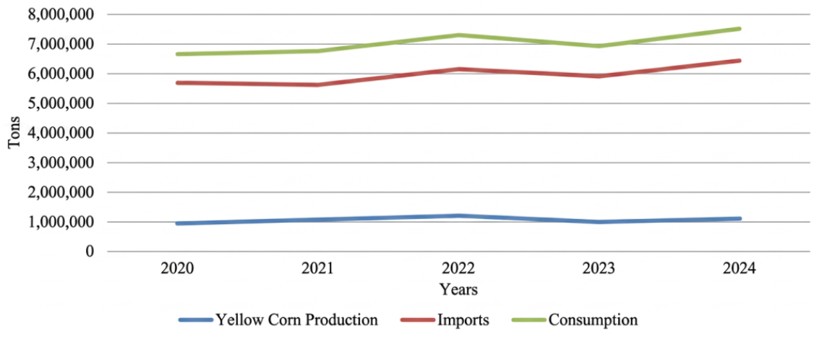
According to Adelasa (2024), demand has also registered a significant increase, especially in 2024, when 7.48 million tons were consumed, and 1.04 million tons of yellow corn were produced, which is why 6.44 million tons must be imported to supply the domestic market; therefore, it is important for the country’s producers to take advantage of this opportunity, increasing production further, mainly for the balanced feed agroindustry, which supplies food to the livestock, poultry, swine, and, more recently, pet food subsectors (Adelasa, 2024).
To achieve this purpose, it is important for producers to invest in the adoption of new technologies to increase productivity and have incentives such as subsidies, or to use financial instruments such as agricultural bonds aimed at providing resources under more flexible conditions so that these individuals can access them directly and quickly, but backed by the producer association (Table 6).
Table 6
Production, imports, and consumption of yellow corn, 2020-2024 period
Year |
Yellow corn production |
Imports |
Consumption |
2020 |
929.108 |
5.721.358 |
6.650.466 |
2021 |
1.093.462 |
5.654.325 |
6.747.787 |
2022 |
1.173.558 |
6.119.648 |
7.293.206 |
2023 |
1.010.442 |
5.909.500 |
6.919.942 |
2024 |
1.040.724 |
6.448.575 |
7.489.299 |
Source: Fenalce (2024).
It should be noted that the main yellow corn imports come from the United States and Brazil due to logistical factors and proximity, and currently carry a 30% tariff, supplying the poultry sector and the country’s food security; however, under the framework of the Mercosur agreement, the elimination of this tariff is proposed in order to encourage more competitive prices and stimulate buyers, which increased in 2024 (Figure 1), but only 7% of the domestic market was supplied by domestically produced yellow corn, which would further affect the profitability of domestic producers (Fenalce, 2025).
Figure 1
Production, imports, and apparent consumption of yellow corn in Colombia (2020-2024)
 Source: Fenalce (2024).
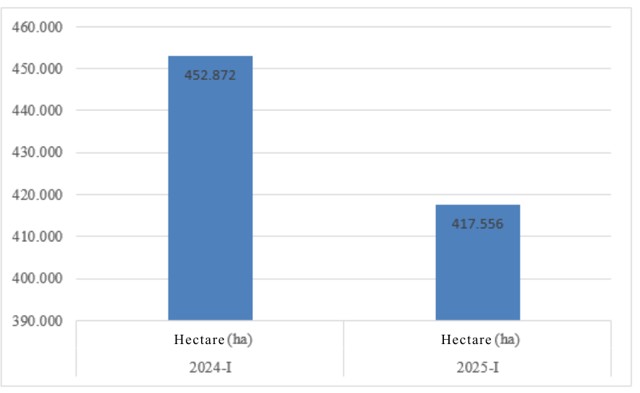
With respect to the rice subsector, international market conditions in terms of prices, production costs, productivity, and exchange rate behavior have also affected domestic production. According to information provided by Fedearroz and DANE through the rice census, 2023 recorded an increase in both production and planted area of 7.3% and 3.3% in green paddy rice, respectively, while the number of producing units in some regions of the country decreased by 9.7%, as did the number of producers (Agronegocios, 2024). This trend continued during the first half of 2025, when mechanized rice production registered a total of 998,387 hectares planted, a figure slightly higher than that recorded in the first half of 2024, with a variation of 1.85% (DANE, 2025 and Fedearroz, 2025), which shows that the exchange rate effect did not substantially affect this result.
One of the important aspects that has favored the increase in production during this analysis period is the investment producers make in research, which has allowed for an increase in technological supply, reflected in an increase in yield per hectare, which has risen from 5.3 to 5.7 tons/hectare (Fedearroz, 2024). However, despite these results, there is still much to be done in terms of technology transfer, since this product is not competitive at the international level from the standpoint of prices and production costs.
On the other hand, the upward exchange rate behavior during this analysis period primarily influenced the sector through higher input costs, pressure on domestic prices, and greater competition from imported rice, mainly from the United States (reinforced by the Free Trade Agreement) and Ecuador, affecting the profitability and competitiveness of domestic rice production in Colombia, particularly for medium and small producers.
Overall, the exchange rate has had an indirect effect on rice production; until 2024, depreciation favored producers and contained imports, a trend that continued through the first half of 2025 (Figure 2).
Figure 2
Harvested or planted area of mechanized rice, 2024-I and 2025-I
 Source: Taken from DANE (2025).
The incidence of economic policy on strategic agricultural products such as rice and corn in Colombia during the 2025–2026 period can be analyzed based on the relationship between the foreign exchange market, public policies, and the productive conditions of the agricultural sector. The summary presented shows that variations in the nominal and real exchange rate generate differentiated effects on both crops, due to their different productive structures and levels of external dependence.
First, exchange rate and monetary policy directly influence production costs and agricultural competitiveness. Between 2021 and 2024, the depreciation of the Colombian peso against the dollar made agricultural imports more expensive, partially favoring domestic rice producers. This occurred because domestically produced rice competes less with the imported product, allowing domestic farmers to obtain greater marketing opportunities. For the 2025–2026 period, if a trend of moderate peso depreciation continues, the rice sector could maintain a certain degree of natural protection against imports, strengthening domestic production and contributing to food security.
However, the impact on corn is different, since in Colombia it depends considerably on imported inputs such as fertilizers, machinery, and technified seeds. Furthermore, the country imports large quantities of corn, especially from the United States, making this crop highly sensitive to exchange rate variations. When the peso depreciates, production costs increase due to higher costs of imported inputs. Although imports also become more costly, domestic producers do not always manage to offset this cost increase, affecting profitability and reducing incentives for production.
In this context, economic policy for 2025–2026 acquires a fundamental role. Fiscal policies involving subsidies, soft loans, and support for agricultural inputs can mitigate the negative effects of exchange rate volatility, especially for corn. Similarly, a trade policy aimed at reviewing free trade agreements or establishing temporary protection mechanisms could favor the competitiveness of domestic producers against imports.
Likewise, the monetary policy implemented by Banco de la República will influence interest rates and access to rural financing. High interest rates could limit agricultural investment and hinder the sector’s technological modernization, while preferential credit policies could stimulate production and improve the productivity of both crops.
In general terms, the analysis shows that the incidence of economic policy on rice and corn is heterogeneous. Rice presents lower vulnerability to exchange rate fluctuations and can benefit from peso depreciation, while corn faces greater risks due to its external dependence. Therefore, during 2025–2026 it will be necessary to design differentiated policies that consider the particularities of each crop, strengthening domestic production, reducing import dependence, and ensuring the stability of food security in Colombia.
Discussions
The analysis of the 2021–2024 period confirms that fluctuations in the foreign exchange market exerted significant and differentiated impacts on Colombian agricultural production. The main findings indicate that the agricultural sector responded heterogeneously to the depreciation of the Colombian peso; while the rice subsector showed a positive indirect effect, corn exhibited greater exchange rate sensitivity given its high dependence on imported inputs and competition with foreign grain.
The analysis revealed significant structural vulnerabilities, including high dependence on imported inputs (40–60% depending on subsector), concentration in few export products, limited short-term technological substitution capacity, and exposure to exchange rate volatility without adequate hedging instruments.
Monetary authorities should prioritize reducing exchange rate volatility over the specific level of the exchange rate, given that exchange rate uncertainty generates significant costs in sectoral investment decisions.
It is essential to deepen markets for exchange rate hedging instruments, facilitating access for small and medium agricultural producers. At the sectoral policy level, long-term policies are needed aimed at reducing dependence on imported inputs, including investment in research and development of domestic inputs and incentives for the domestic fertilizer and agrochemical industry, as well as technology transfer programs. These policies should promote diversification both in products and in destination markets, reducing risk concentration.
The Colombian agricultural sector finds itself at a strategic crossroads, as it can either take advantage of opportunities derived from greater exchange rate competitiveness to consolidate its position in international markets, or it could be limited by structural dependencies that restrict its capacity for sustainable growth.
The evidence analyzed suggests that a comprehensive strategy combining macroeconomic stability, development of domestic productive capacities, and diversification of both products and markets constitutes the most promising path to maximize the benefits of the international insertion of the Colombian agricultural sector, while minimizing the risks associated with exchange rate volatility.
The success of this strategy will require effective coordination between public and private actors, a long-term vision, and the capacity to adapt to an increasingly dynamic and complex international environment. The experience of the 2021–2024 period provides valuable lessons that, if properly leveraged, can guide the future development of the Colombian agricultural sector toward greater competitiveness, sustainability, and resilience.
Policy and sustainability implications
The depreciation of the Colombian peso during 2021–2024 generated improvements in the price competitiveness of some Colombian agricultural products in international markets (Londoño & Benavidez, 2024). Market share analysis reveals some positive aspects, such as increased short-term profitability for exporters, greater foreign currency flow to the rural sector, and incentives for investment in technification; and some negative aspects, such as increased uncertainty for investment planning, inflationary pressures on production costs, and the risk of overinvestment during periods of high conjunctural profitability.
Exchange rate effects impacted environmental sustainability through incentives for the expansion of cultivated areas, pressures on fragile ecosystems, and changes in agrochemical use due to price changes.
The social impact of exchange rate fluctuations manifested heterogeneously through improved income in export-oriented rural areas, job creation in dynamic sectors, and the strengthening of local economies in coffee and flower-growing regions, but also caused an increase in basic food costs, pressures on small producers oriented toward the domestic market, and increased inequality between export producers and subsistence producers.
The exchange rate in Colombia between 2021 and 2024 has had a relevant but non-uniform impact. For industry, it has represented an opportunity in exports, but a challenge due to the higher cost of imported inputs and slow productive investment.
For mining, although a weaker peso helps convert revenues into more pesos, falling foreign investment, lower international prices, and higher costs have weakened production and profits. Furthermore, companies have reported significant exchange rate impacts on financial results. Some sectors showed growth (coffee, flowers, food) despite volatility, supported by market diversification. On the other hand, industries such as coal and oil suffered declines in volume or value exported in 2023–24, where the effect of international prices and exchange rates was negative.
Colombian coffee growers have managed to partially offset the decline in production levels thanks to the high value of the dollar, which has increased the value of exports and improved sector income. However, various analysts agree that the country’s export vocation should be based on long-term structural strategies and not depend exclusively on favorable exchange rate conditions.
In the case of bananas, the depreciation of the Colombian peso has allowed the sector to better cope with recent economic difficulties. According to Bancolombia’s economic research team, the TRM has helped mitigate the impact of rising costs for fertilizers, packaging, and the increase in the minimum wage. In this regard, the National Foreign Trade Association [ANALDEX] (2022a) notes that, when comparing the behavior of the dollar in Colombia with that of Latin American competitors such as Guatemala and Costa Rica, the country has obtained a relative advantage that strengthens the competitiveness of the banana sector.
Regarding coffee, ANALDEX (2022b) reports that the value of grain sales registered an annual increase of 26.3% through September, despite the observed reduction in production volume. Consequently, the historically high levels reached by the price of a load of coffee have allowed for partial offsetting of the sector’s production decline, which was 31% in September and 12% in October, evidencing the importance of exchange rate behavior in the economic sustainability of coffee-growing activity.
Conclusions
The analysis developed on the incidence of the foreign exchange market on Colombian agricultural production during the 2021–2024 period shows that exchange rate fluctuations constitute a relevant macroeconomic determinant for the productive performance of corn and rice crops. The results confirm that the variation in the TRM and the ITCR have a statistically significant incidence (at 95% confidence) on both crops, while the variation in the rice-specific real exchange rate (varTCRrice) did not reach conventional statistical significance, so its effect should be interpreted with caution. These results reflect the productive, technological, and market integration particularities of each crop in national and international markets.
The research allows us to conclude that the real exchange rate constitutes a strategic variable for explaining the performance of Colombian agricultural production, especially in crops such as corn and rice. During the 2021–2024 period, exchange rate variations directly affected production costs, relative prices, and incentives for domestic production against imports. In an open economy such as Colombia’s, exchange rate depreciation can improve the competitiveness of local producers against imported goods, but it also makes imported inputs (fertilizers, machinery) more expensive, generating mixed effects. Consequently, the exchange rate impact is not linear, but rather depends on the productive structure and degree of external dependence of the sector.
In the case of corn, greater sensitivity to exchange rate variations is observed, mainly associated with its high dependence on imported inputs, fertilizers, improved seeds, and machinery, and direct competition with imported corn. The depreciation of the Colombian peso, while making production costs more expensive, can generate relative incentives for domestic production by making imports more expensive; however, this effect is attenuated by the sector’s structural rigidity, technological lags, and limitations in access to rural financing.
The percentage variation in the TRM and the RER indirectly affects yellow corn production in Colombia through the cost of imported inputs and competitiveness against imported corn (which predominates in the domestic market). Variations in the interest rate influence access to credit and agricultural investment, being relevant for the adoption of technologies that increase yield and production.
The econometric and qualitative results suggest that the impact of the foreign exchange market is conditioned by the productive structure, the degree of integration into international markets, and dependence on external inputs. Taken together, these three macroeconomic variables have had heterogeneous effects, conditioned by external factors, and their combined analysis allows us to understand why domestic production has shown moderate growth and, in some periods, stagnation or relative decline relative to imports.
The 2021–2024 period demonstrated the critical importance of the foreign exchange market as a determinant of agricultural sectoral dynamics in Colombia. While the depreciation of the Colombian peso generated significant opportunities for export subsectors, it also revealed structural vulnerabilities that require long-term policy attention.
Beyond the level of the exchange rate, the volatility observed during 2021–2024 becomes a critical element affecting productive planning and investment decisions. Exchange rate instability, associated with external shocks, monetary policy, and capital movements, introduces uncertainty into producers’ expected costs and income. This can limit production expansion and discourage the adoption of technologies. Therefore, macroeconomic stability is established as a fundamental component for strengthening the sustainability of the agricultural sector in Colombia.
The econometric models estimated for the 2000–2024 period support the theoretical foundations related to PPP and IRP, showing that deviations in the real exchange rate, influenced by the interest rate and monetary factors, have repercussions on sectoral competitiveness. In the short and medium term, distortions relative to parity generate significant impacts on agricultural production. Thus, the interaction between monetary policy, the foreign exchange market, and productive structure is determinant for understanding the behavior of the primary sector and designing policies that mitigate adverse effects and strengthen agricultural competitiveness arising from the exchange rate environment.
Ethical Considerations
This research did not require ethical approval, as it was based on a documentary review.
Conflict of interest
All authors declare that there is no conflict of interest related to this article.
Author Contribution Statement
Gustavo Adolfo Díaz Valencia: conceptualization, methodology, formal analysis, research, supervision.
Alvaro Villa Martínez: Conceptualization, research, formal analysis.
Source of funding
This research was funded by Universidad Piloto de Colombia under the research project “The Impact of the Foreign Exchange Market on Agricultural Production in Colombia During the 2021–2024 Period: The Cases of Corn and Rice.”
References
(1)Adelasa. (2024). Colombia comienza a sembrar más maíz. Agricultura de las Américas, (554), 40. https://agriculturadelasamericas.com/agricultura/colombia-comienza-a-sembrar-mas-maiz/
(2)Agronegocios. (2024). Producción de arroz en Colombia aumentó 7,3% según Fedearroz. Agronegocios.co. https://www.agronegocios.co/
(3)Asociación Nacional de Comercio Exterior [ANALDEX]. (2022a). Café, banano y flores, ¿los que más ganan con un dólar alto? https://analdex.org/2022/11/21/cafe-banano-y-flores-los-que-mas-ganan-con-un-dolar-alto/
(4)Asociación Nacional de Comercio Exterior [ANALDEX]. (2022b). Informe de comercio exterior colombiano a septiembre de 2022. https://analdex.org
(5)Banco de la República. (2023a). La evolución reciente de la tasa de cambio y sus efectos sobre la economía. Informe Junta Directiva al Congreso. https://repositorio.banrep.gov.co/server/api/core/bitstreams/13173
(6)Banco de la República. (2023b). Informe de Política Monetaria. Equipo técnico. https://repositorio.banrep.gov.co/server/api/core/bitstreams/70a7344f-6b83-47e5-b94b-229233cfdc82/content
(7)Banco de la República. (2026). Nuevo portal de estadísticas económicas. https://suameca.banrep.gov.co/estadisticas-economicas/
(8)Bruin, J. (2006). Newtest: Command to compute new test. UCLA Statistical Consulting Group. https://www.scirp.org/reference/referencespapers?referenceid=3549103
(9)Caballero, R. J. & Krishnamurthy, A. (2008). Collective risk management in a flight to quality episode. The Journal of Finance, 63(5), 2195-2230. https://doi.org/10.1111/j.1540-6261.2008.01394.x
(10)Carrière, Y., Firat, M., Furceri, D. & Jiménez, D. (2023). State-dependent exchange rate pass-through (IMF Working Paper No. 23/86). International Monetary Fund. https://www.imf.org/-/media/files/publications/wp/2023/english/wpiea2023086-print-pdf.pdf
(11)Castro, R. R., Madera, T. S. & Velasquez, Z. M. (2024). Impacto del programa Colombia siembra sobre la producción primaria de arroz ¿Quién se benefició más? Centro de Estudios Económicos sobre Desarrollo Económico. https://papers.ssrn.com/sol3/papers.cfm?abstract_id=4731620
(12)Corficolombiana. (2022). Devaluación del peso: causas y efectos. https://investigaciones.corfi.com/macroeconomia-y-mercados/informe-semanal/devaluacion-del-peso-causas-y-efectos/informe_1173028
(13)Corficolombiana. (2024a). Depreciación del peso colombiano: entre presiones externas y la incertidumbre fiscal. https://investigaciones.corfi.com/documents/38211/0/20241105%20(2).pdf/685d5c75-c230-7640-8b2c-eb530f344d41
(14)Corficolombiana. (2024b). Perspectiva de Crecimiento y Precios del Sector Agropecuaria para 2024. https://investigaciones.corfi.com/analisis-sectorial-y-sostenibilidad/perspectiva-sectorial-agroindustria/perspectivas-de-crecimiento-y-precios-del-sector-agropecuario-para-2024/informe_1449206
(15)Departamento Administrativo Nacional de Estadística (DANE). (2025). Encuesta Nacional de Arroz Mecanizado (ENAM), primer semestre 2025. https://www.dane.gov.co/index.php/estadisticas-por-tema/agropecuario/encuesta-de-arroz-mecanizado
(16)Departamento Administrativo Nacional de Estadística (DANE). (2026). Encuesta nacional de arroz mecanizado (ENAM). Boletín técnico. DANE. https://www.dane.gov.co/index.php/estadisticas-por-tema/agropecuario/encuesta-de-arroz-mecanizado
(17)Díaz, J. (2025). Comportamiento del sector cerealista colombiano. Fenalce. https://www.fenalce.co/wp-content/uploads/2025/11/El-cerealista-146.f_compressed.pdf
(18)Fedearroz. (2024). Gestión y perspectivas del sector arrocero colombiano [conferencia]. XXXIX Congreso Arrocero Nacional, Bogotá, Colombia. https://fedearroz-website-aws.s3.amazonaws.com/media/documents/DISCURSO_RAFAEL_HERNANDEZ_-_CONGRESO_2024.pdf
(19)Fedearroz (2025). Estadísticas arroceras. Fedearroz, Bogotá. https://www.fedearroz.com.co/es/fondo-nacional-del-arroz/investigaciones-economicas/estadisticas-arroceras/
(20)Fenalce. (2024). Datos al grano. Estadísticas, Bogotá. https://fenalce.co/wp-content/uploads/2025/06/Datos-al-Grano-2024B.pdf
(21)Fenalce. (2025). Comportamiento de la producción nacional en la demanda 2012-2025. El Cerealista, (155), 50. https://www.fenalce.co/wp-content/uploads/2025/11/El-cerealista-146.f_compressed.pdf
(22)Fenalce. (2026). Lanzamiento oficial de las organizaciones de cadena del maíz y de la soya. Noticias Fenalce. https://www.fenalce.co/noticias-y-multimedia/lanzamiento-oficial-de-las-organizaciones-de-cadena-del-maiz-y-de-la-soya/
(23)García, E. P. (2017). La teoría del mercado eficiente. Harvard Deusto Business Review, (271), 7. https://www.harvard-deusto.com/la-teoria-del-mercado-eficiente
(24)Gujarati, D. & Porter, D. (2010). Econometría (5.ª ed.). McGraw-Hill. https://studylib.net/doc/26265992/econometria-gujarati.pdf-5º-edición---español
(25)Jaramillo, P. C. (2025). Colombia importó más de 6,3 millones de toneladas de granos en el primer semestre de 2025. Agronegocios. https://www.agronegocios.co/agricultura/colombia-importo-mas-de-6-3-millones-de-toneladas-de-granos-en-primer-semestre-de-2025-4254031
(26)Krugman, P. & Obstfeld, M. (2022). Economía internacional: teoría y política (11.ª ed.). Pearson. https://www.uteg.edu.ec/biblioteca-libros/wp-content/uploads/2022/11/Economia-Internacional-Krugman.pdf
(27)Londoño, G. S. & Benavidez, J. (2024). Estudio del sector agropecuario: Impacto del tipo de cambio e impactos financieros en la importación de materias primas en Colombia [Tesis de maestría, Universidad EAFIT]. https://repository.eafit.edu.co/server/api/core/bitstreams/b5a4bc87-8879-4daf-b07c-3f4856b8084e/content
(28)Madura, J. (2018). International Financial Management (13th ed.). Cengage Learning. https://www.cengage.com/c/international-financial-management-13e-madura/9781337099738/
(29)Madeiros, V. & Goncalves, G. L. (Diciembre de 2019). La competitividad y sus factores determinantes: un análisis sistémico para países en desarrollo. Revista de la Cepal, (129), 21. https://repositorio.cepal.org/server/api/core/bitstreams/820532b5-0b65-4f87-9990-fe54b4a6e507/content
(30) Merchan, L. B. & Restrepo, J. A. (2023). Impactos de la tasa representativa de mercado empleando modelos estadísticos, estudio sectorial. Sociedad y Economía, (49). https://doi.org/10.25100/sye.v0i49.12155
(31)Parra, P. I. & Flórez, S. (2022). La competitividad de la cadena de arroz en Colombia: un compromiso con el bienestar del agricultor. ANDI - Fedesarrollo. https://www.andi.com.co/Uploads/Estudio%20Completo.pdf
(32)Rincón, H. & Rodríguez, N. (2017). Perturbaciones macroeconómicas, movimientos de la tasa de cambio y transmisión sobre precios. Revista de Economía del Rosario, 20(2), 213-241. http://dx.doi.org/10.12804/revistas.urosario.edu.co/economia/a.6455
(33)Rivera, M. C. (2021). Teorías del Comercio Exterior. (U. d. Marcos, Ed.) http://repositorio.usam.ac.cr/xmlui/handle/11506/1668
(34)Sandoval, E K. & Mendoza, C. J. (2025). Introducción a las finanzas internacionales. La Plata, Argentina: Puerto Madero. https://puertomaderoeditorial.com.ar/index.php/pmea/es/catalog/download/101/270/481?inline=1
(35)Uribe, G. J. & Ulloa, V. M. (2011). Revisando la hipótesis de los mercados eficientes: nuevos datos, nuevas crisis, y nuevas estimaciones. Cuadernos de Economía, 30(55), 127-154. https://revistas.unal.edu.co/index.php/ceconomia/article/view/28227/28463